When I was a kid, I remember hearing adults say, “A dollar just doesn’t go as far as it used to.” I never thought about what it meant until I became responsible for my expenses and bills. As the world changes and prices climb skyward, I struggle to remain financially healthy. Talking about financial wellbeing is a touchy subject, and most of us throw around the same cliches our parents did to avoid thinking about it. And, If you’re anything like me, you find it easier to ignore your financial stress rather than address it.
Recently I decided enough was enough and chose to do something about it. I have a great job, I’m in a fortunate situation as far as housing is concerned, and I don’t have to pay for childcare. However, I also understand that some feel more burdened than I do. So in that spirit, I have decided to share 3 Tips to Reduce Financial Stress.
Count it Out
The first step in reducing financial stress is understanding where your money is going. This process will give you a better idea of your income and expenses and give you a place to start with the following two tips.
I started by looking at my pay stubs and figuring out, on average, what percent of my pay I receive after taxes, benefits, and contributions. It took a bit of math, but I found a solution that allows me to predict my net earnings based on that percentage, how many hours I worked in a pay period, and my hourly wage. It may be easier to look back over several months of pay slips and determine your average pay using the “m=mean” formula. Just know that may be a slightly less accurate number. However, for those of you who work in salaried positions, it will be easier for you to determine this number as it should remain pretty consistent over time.
I searched my bank statements and bills to find my predictable monthly expenses. Think car note, auto insurance, gym membership, streaming services, and similar accounts that don’t change. I added all of those numbers together to get an exact figure. If you have credit cards or lines of credit, simply account for your minimum monthly payment and add it to this figure.
I also looked at my weekly expenses like gas, groceries, and big box store expenses. It will take a bit of work as you will likely need to figure out the average for each section here. You can break this down as much as you like; for example, if you spend a fair amount of money on coffee from quick-service cafes, you can also include that as a weekly expense.
Finally, I noted all the due dates, multiplied my weekly expenses by 4 (the number of weeks in a month), and added that number to my monthly total to come up with a near-exact amount.
I was able to plug everything into a spreadsheet for easy review and management. If you’re unfamiliar with spreadsheets and want to do the same, plenty of videos online can teach you how to build one that works well for you. But even keeping a word document of all the information is an excellent place to start.

Cut Back
You just did a lot of work to figure out your expenses, but for some of us, cutting back might be the most challenging part of reducing our financial stress. While going through your bank statements, chances are you have already noticed a few places where you can reduce your spending. As I mentioned, you may be spending quite a bit on coffee. Sure, it’s delicious, but you can skip your venti caramel yumminess a day or two each week. Fast food is another similar cutback many of us; myself included, can make. By taking lunch to work, planning meals, or prepping food, you can almost eliminate the additional cost. You may also consider removing recurring subscription boxes, streaming services, or other luxury items.
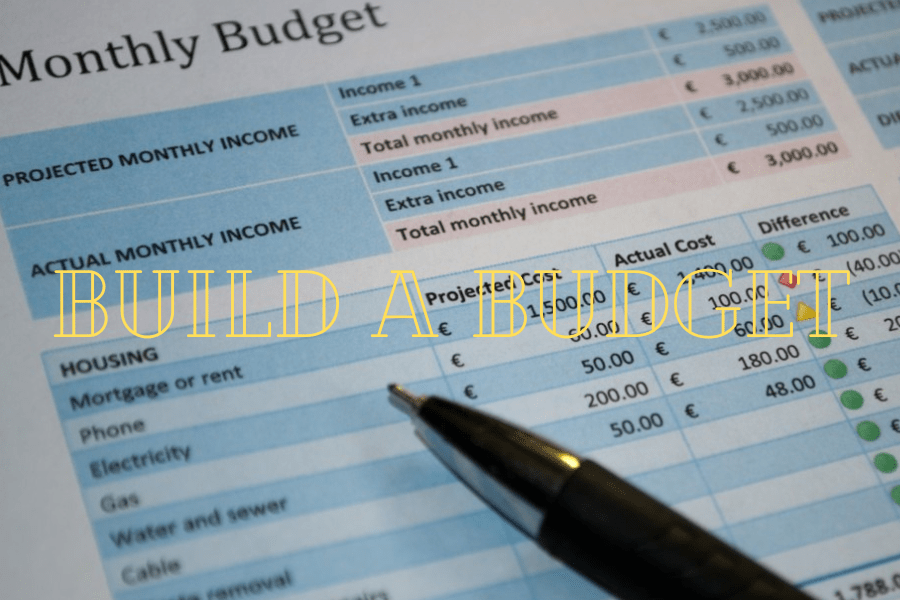
Build a Budget
Once you have a clear picture of your finances and have identified ways to reduce some unnecessary spending, you can start building a budget. A budget doesn’t have to be scary.
My mother always told us, “pay yourself first,” meaning set money aside in your savings account before you do anything else. Determining how much you’d like to set aside for yourself each month, whether that’s a fixed percentage or dollar figure, is up to you. Treat this as any other bill, like something that must be paid, or you’ll end up in hot water.
Remember, if paid weekly or bi-weekly, you can spread your monthly expenses over several pay periods based on their due date. That’s where a good understanding of your average income is essential, so you can allocate funds from multiple checks if need be. You should also stick as close to your set limits on weekly expenses as possible; spending more here or there is okay on things like groceries. However, you should avoid spending extra money on frivolous things.
After all of your primary expenses are paid and you’ve added to your savings, any money left over is yours to spend however you see fit. BUT DON’T SQUANDER IT AWAY. Instead, consider adding that money to your savings account. You could also consider “The Envelope System.” You can place that money, in cash, into different envelopes marked for different things. Some popular categories are Vacation, Date Night, Clothing/Shoes, Gifts/Christmas, Medical Expenses, and the like. You can choose how much to allocate to each envelope based on what’s most important to you.
Good luck relieving your financial stress!!
Do you have a favorite financial tip? Want to see more posts like this? Let us know in the comments section below!!
 Mads' Dad Blog