As parents, we all strive to teach our children to communicate effectively and respectfully, but is there room for “bad words” in a child’s vocabulary? Most parents would argue that there isn’t. Others might say there is no such thing as a bad word, but rather hateful words that should forever be off-limits. This post discusses why allowing our children to use such language can be a healthy and valuable part of their emotional development. By embracing their natural expression, we can create an environment that encourages open communication, self-expression, and emotional intelligence.
Encouraging Emotional Expression
Bad words often arise from moments of intense emotions. We acknowledge and validate our children’s feelings by allowing them to use these words. Suppressing their use of such language may inadvertently discourage them from openly expressing their emotions, leading to internalized frustration and communication barriers. We foster emotional intelligence and create a safe space to process their feelings by allowing them to express themselves authentically.

Teaching Context and Social Awareness
Allowing children to use bad words presents an opportunity to teach them about appropriate context and social awareness. Take the time to engage in open discussions about the power of language, explaining that certain words may be considered offensive or disrespectful in specific settings. By providing guidance on when and where it is appropriate to use different language, we equip our children with the tools to navigate social situations and communicate effectively in various environments. Help them to understand that freedom of expression is not freedom of consequence. It is also not a free license to scream dirty words at the top of their lungs for no reason other than they want to say it.
Remember to discuss hateful words like slurs or derogatory terms and why they should never be used. Explain to your child that words have power and must not be used to harm or demean others.
Promoting Authenticity and Self-Confidence:
We foster an environment that encourages authenticity and self-confidence by permitting swear words within reasonable boundaries. Our children learn that their thoughts and feelings are valid and can express themselves honestly. This empowerment contributes to their overall self-esteem and cultivates a sense of self-assuredness, enabling them to navigate the world authentically and assertively.
Building Trust and Open Communication
Allowing our children to use foul language without judgment or punishment creates a foundation of trust and open communication. They learn that they can confide in us without fear of being reprimanded for their choice of words. This trust extends beyond language and paves the way for deeper conversations about their experiences, challenges, and concerns. Something that will become extremely important as they enter their teenage years. Open communication strengthens our connection with our children and helps parents to guide them through life’s ups and downs.
Modeling Emotional Regulation
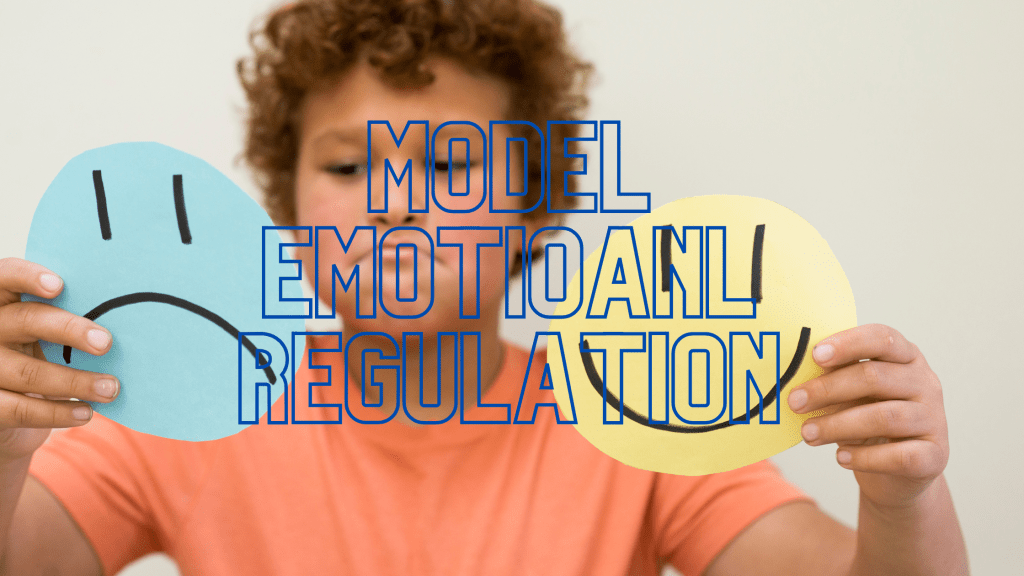
We can model appropriate emotional regulation for our children through our reactions and guidance. Over time, when they use bad words, we can calmly address the situation and redirect their focus to healthier ways of expressing their emotions. By modeling effective emotional regulation ourselves, we teach valuable coping skills and help our children understand that there are alternative ways to communicate their feelings without resorting to offensive language in the future.
A Final Thought
Allowing our children to use bad words when expressing themselves can be a healthy and beneficial aspect of their emotional development. We create an environment that fosters open communication and emotional intelligence by embracing their authentic expression, teaching context and social awareness, promoting authenticity and self-confidence, building trust, and modeling emotional regulation. Let us strive to create a safe space where our children feel empowered to express themselves honestly, helping them navigate the complexities of their emotions and fostering their overall well-being.
 Mads' Dad Blog